
The Provisional Man: Breaking Free from Childhood’s Lens
Childhood is a formative period that shapes our identities, beliefs, and behaviors. The experiences we encounter during these early years
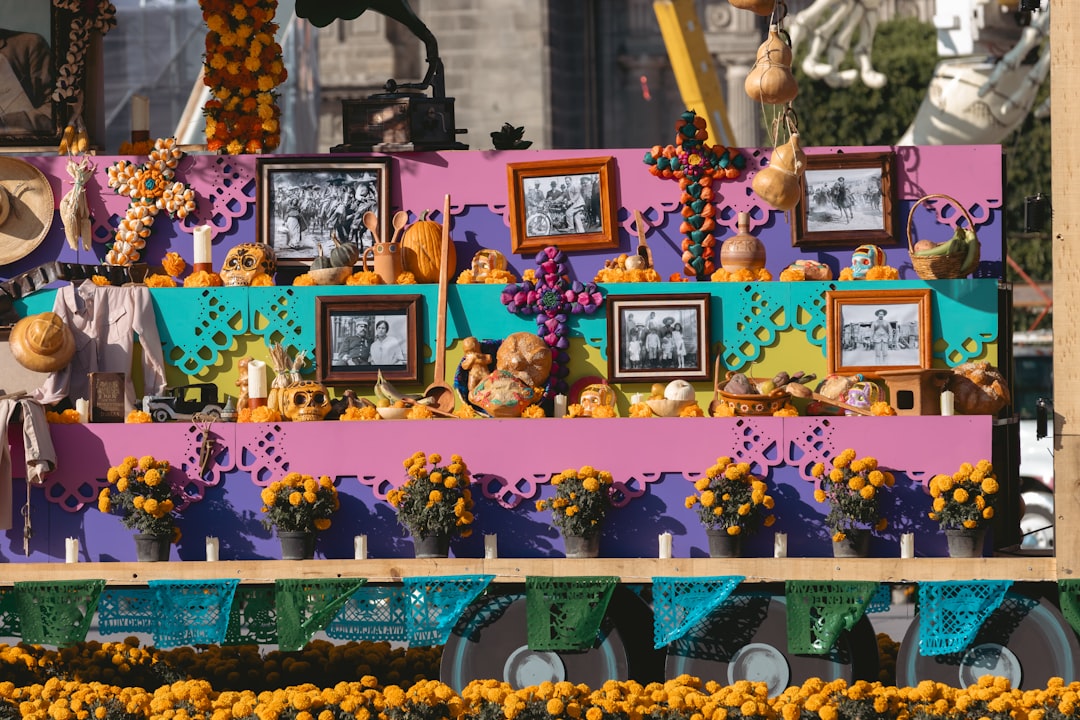
Memento Mori, a Latin phrase meaning “remember you must die,” serves as a poignant reminder of the inevitability of death. This concept has roots in ancient philosophy and has been embraced by various cultures throughout history. At its core, Memento Mori encourages individuals to acknowledge their mortality, prompting a deeper understanding of life itself.
By contemplating the transient nature of existence, one can cultivate a sense of urgency and appreciation for the present moment. This practice is not intended to evoke fear or despair; rather, it invites a profound engagement with life, urging individuals to live authentically and purposefully. The essence of Memento Mori lies in its ability to shift perspectives.
When one recognizes that life is finite, it becomes easier to prioritize what truly matters. This awareness can lead to a reevaluation of personal goals, relationships, and values. Instead of getting lost in the minutiae of daily life, individuals are encouraged to focus on experiences that bring joy and fulfillment.
Embracing mortality can serve as a catalyst for personal growth, inspiring individuals to pursue their passions and connect more deeply with others. In this way, Memento Mori becomes a guiding principle, illuminating the path toward a more meaningful existence.
Mortality plays a crucial role in shaping a man’s perspective on life, influencing his choices, relationships, and overall outlook. When men confront the reality of their own mortality, they often experience a shift in priorities. This confrontation can lead to a greater appreciation for the fleeting moments that make life rich and vibrant.
For many, the awareness of death serves as a wake-up call, prompting them to engage more fully with their surroundings and the people they love. It encourages men to step outside their comfort zones and embrace new experiences, fostering personal growth and resilience. Moreover, the acknowledgment of mortality can deepen a man’s understanding of his own identity.
As he grapples with the concept of death, he may begin to question what legacy he wishes to leave behind. This introspection can lead to a more authentic expression of self, as men strive to align their actions with their core values. In this way, mortality becomes a powerful teacher, guiding men toward a life that is not only fulfilling but also aligned with their true purpose.
By embracing the reality of death, men can cultivate a sense of clarity and direction that enriches their lives.

Reflecting on death through the lens of Memento Mori can inspire profound gratitude and a renewed sense of purpose. When individuals take the time to contemplate their mortality, they often find themselves appreciating the beauty of everyday moments that might otherwise go unnoticed. The simple act of sharing a meal with loved ones or enjoying a quiet moment in nature can take on new significance when viewed through the prism of impermanence.
This heightened awareness fosters gratitude for the present, encouraging individuals to savor each experience fully. In addition to cultivating gratitude, Memento Mori can also ignite a sense of purpose. When faced with the reality that life is finite, individuals may feel compelled to pursue their passions and contribute meaningfully to the world around them.
This drive can manifest in various ways—whether through creative expression, acts of service, or nurturing relationships. By recognizing that time is limited, individuals are motivated to make choices that align with their values and aspirations. In this sense, Memento Mori serves as both a reminder and an inspiration, urging individuals to live with intention and authenticity.
Embracing mortality is often accompanied by confronting deep-seated fears related to death and the unknown. However, this confrontation can lead to remarkable courage and resilience. When individuals face their fears head-on, they often discover an inner strength they may not have realized existed.
Acknowledging mortality allows men to confront the anxieties that may have held them back from pursuing their dreams or taking risks in life. This newfound courage can empower them to step outside their comfort zones and embrace challenges with confidence. Furthermore, embracing mortality fosters resilience in the face of adversity.
Life is inherently unpredictable, and challenges are an inevitable part of the human experience. By accepting that death is a natural part of life, individuals can develop a more balanced perspective on hardship and loss. Instead of viewing setbacks as insurmountable obstacles, they may come to see them as opportunities for growth and learning.
This shift in mindset enables men to navigate life’s challenges with grace and determination, ultimately leading to greater emotional strength and adaptability.
Throughout history, Memento Mori has profoundly influenced art and philosophy, serving as a source of inspiration for countless creators and thinkers. In art, the theme of mortality has been depicted in various forms—from the haunting imagery of skulls in still-life paintings to the poignant representations of death in literature and theater. These artistic expressions often serve as reminders of life’s transience, inviting viewers to reflect on their own mortality and the choices they make.
The rich symbolism associated with Memento Mori continues to resonate today, encouraging contemporary artists to explore themes of existence and impermanence. Philosophically, Memento Mori has been embraced by thinkers from diverse traditions. Stoicism, for instance, emphasizes the importance of accepting death as an integral part of life.
Stoic philosophers like Seneca and Marcus Aurelius advocated for mindfulness regarding mortality as a means to cultivate virtue and wisdom. Their teachings encourage individuals to live in accordance with nature and prioritize what truly matters—an ethos that remains relevant in modern discussions about personal development and well-being. By examining how historical figures have grappled with mortality, we can gain valuable insights into our own lives and the ways we choose to engage with our existence.

Incorporating Memento Mori into daily life involves practical tools and techniques that facilitate reflection on mortality. One effective method is journaling about one’s thoughts and feelings regarding death. By putting pen to paper, individuals can explore their fears, hopes, and aspirations in relation to their mortality.
This practice not only fosters self-awareness but also encourages clarity about what truly matters in life. Another technique involves creating rituals that honor the concept of Memento Mori. For instance, setting aside time each week for quiet reflection or meditation can provide space for contemplation on life’s impermanence.
Engaging in activities such as visiting cemeteries or creating art inspired by themes of mortality can also serve as powerful reminders of the transient nature of existence. These rituals help individuals internalize the lessons of Memento Mori while fostering a deeper connection with themselves and their surroundings.
In today’s fast-paced world, where distractions abound and time seems fleeting, the relevance of Memento Mori is more pronounced than ever. Many individuals find themselves caught up in the hustle and bustle of daily life, often neglecting moments of reflection on what truly matters. The constant barrage of information and demands can lead to feelings of disconnection from oneself and others.
In this context, embracing mortality serves as a vital counterbalance—a reminder to pause and consider the bigger picture. Moreover, Memento Mori encourages individuals to cultivate meaningful connections amidst the chaos of modern life. As people grapple with their own mortality, they may feel compelled to strengthen relationships with family and friends or engage in acts of kindness within their communities.
This focus on connection fosters empathy and compassion while reminding individuals that they are not alone in their struggles. By integrating Memento Mori into daily life, individuals can navigate the complexities of modern existence with greater awareness and intention.
Ultimately, embracing mortality through the lens of Memento Mori can lead to a fulfilling and meaningful life. By acknowledging the impermanence of existence, individuals are empowered to live authentically and pursue their passions wholeheartedly. This practice encourages them to prioritize experiences that bring joy while fostering deeper connections with others.
Furthermore, embracing mortality cultivates resilience in the face of life’s challenges. As individuals confront their fears related to death, they often discover newfound courage that enables them to navigate adversity with grace. This resilience not only enhances personal growth but also enriches relationships with others who may be facing similar struggles.
In conclusion, Memento Mori serves as a powerful reminder that life is finite—a truth that can inspire gratitude, purpose, courage, and resilience. By integrating this concept into daily life through reflection, rituals, and meaningful connections, individuals can cultivate a deeper appreciation for existence while navigating the complexities of modern society with intention and authenticity. Embracing mortality ultimately leads to a richer understanding of what it means to live fully—a journey worth undertaking for every man seeking fulfillment in his life.
Childhood is a formative period that shapes our identities, beliefs, and behaviors. The experiences we encounter during these early years

Fear is a fundamental human emotion, deeply embedded in our psyche. It serves as a protective mechanism, alerting us to