
The Provisional Man: Breaking Free from Childhood’s Lens
Childhood is a formative period that shapes our identities, beliefs, and behaviors. The experiences we encounter during these early years
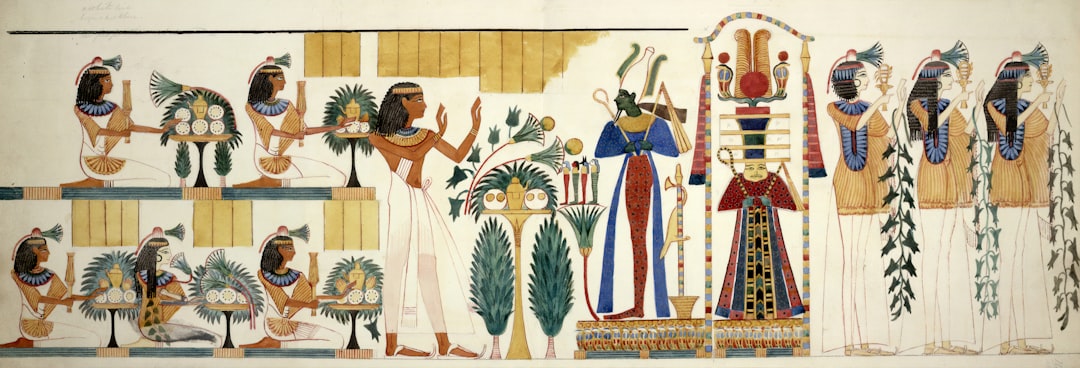
The concept of the warrior archetype is deeply embedded in the collective unconscious, a term popularized by the renowned psychologist Carl Jung. This archetype embodies qualities such as strength, courage, and determination, often representing the drive to protect and defend what is valued. The warrior is not merely a figure of physical prowess; rather, he symbolizes the inner battles we face in our lives, whether they be personal struggles, societal challenges, or existential dilemmas.
In many cultures, the warrior has been celebrated as a hero, a protector of the realm, and a champion of justice. However, the warrior archetype is multifaceted, encompassing both light and shadow aspects that shape its expression in contemporary life. Understanding the warrior archetype is essential for personal development, particularly for men seeking to navigate their identities in a rapidly changing world.
The warrior serves as a guide, encouraging individuals to confront their fears, embrace their strengths, and engage with the world around them. By exploring the various dimensions of this archetype, we can gain insights into our motivations and behaviors, ultimately leading to a more integrated and authentic self. As we delve into the complexities of the warrior archetype, we will uncover its shadow side, heroic qualities, spiritual dimensions, and its relevance in modern society.
While the warrior archetype embodies noble qualities, it also harbors a shadow side that can manifest as ego-driven aggression and unchecked violence. This darker aspect often arises when the warrior’s strength is misdirected or when he becomes overly identified with his role as a protector. In such cases, the warrior may resort to aggression as a means of asserting dominance or control, leading to destructive behaviors that harm both himself and others.
This shadow side can be particularly pronounced in competitive environments where the pressure to succeed can overshadow ethical considerations. The ego-driven warrior may struggle with vulnerability and emotional expression, viewing these traits as weaknesses that undermine his strength. This perspective can create a cycle of isolation and disconnection from others, as the warrior feels compelled to maintain a façade of invulnerability.
Recognizing this shadow aspect is crucial for personal growth; it allows individuals to confront their aggressive tendencies and cultivate healthier expressions of strength. By acknowledging the darker elements of the warrior archetype, one can begin to integrate these aspects into a more balanced and compassionate self.
In contrast to the shadow side, the heroic warrior embodies qualities of courage, honor, and sacrifice. This aspect of the archetype is often celebrated in literature, mythology, and history as it represents the ideal of selflessness in service to a greater cause. The heroic warrior stands firm in the face of adversity, demonstrating resilience and bravery when confronted with challenges.
This courage is not merely physical; it also encompasses moral fortitude—the ability to stand up for what is right even when it is unpopular or dangerous. Honor plays a pivotal role in defining the heroic warrior. It involves adhering to a code of ethics that guides actions and decisions.
This code often emphasizes loyalty, integrity, and respect for others. The heroic warrior understands that true strength lies not only in physical prowess but also in the ability to uplift those around him. Sacrifice is another hallmark of this archetype; it reflects a willingness to put oneself at risk for the benefit of others.
Whether through acts of bravery on the battlefield or everyday choices that prioritize community welfare over personal gain, the heroic warrior inspires others to rise above their limitations and strive for greatness.
The spiritual warrior represents a deeper dimension of the archetype that transcends physical battles and external conflicts. This aspect emphasizes inner strength and resilience, focusing on personal growth and self-discovery. The spiritual warrior engages in an ongoing quest for meaning and purpose, often navigating through life’s challenges with grace and wisdom.
This journey requires introspection and self-awareness, allowing individuals to confront their fears and limitations while cultivating a sense of inner peace. Resilience is a key characteristic of the spiritual warrior. It involves not only bouncing back from adversity but also learning from experiences to emerge stronger and more enlightened.
The spiritual warrior understands that life is filled with trials that serve as opportunities for growth. By embracing these challenges with an open heart and mind, individuals can develop a profound sense of self-acceptance and compassion for others. This inner journey fosters a connection to something greater than oneself—whether it be nature, community, or spirituality—ultimately leading to a more fulfilling existence.
The lover warrior introduces an essential dimension of emotional intelligence into the archetype’s framework. This aspect emphasizes compassion and empathy as vital components of strength. The lover warrior recognizes that true power lies not only in physical might but also in the ability to connect with others on an emotional level.
By cultivating empathy, individuals can better understand the experiences and struggles of those around them, fostering deeper relationships built on trust and mutual respect. Compassion is a transformative force that allows the lover warrior to transcend ego-driven behaviors associated with the shadow side of the archetype. Rather than viewing vulnerability as a weakness, the lover warrior embraces it as an opportunity for connection and understanding.
This shift in perspective enables individuals to approach conflicts with an open heart rather than aggression. By integrating compassion into their lives, lover warriors can create spaces where healing occurs—both for themselves and for others—ultimately contributing to a more harmonious world.
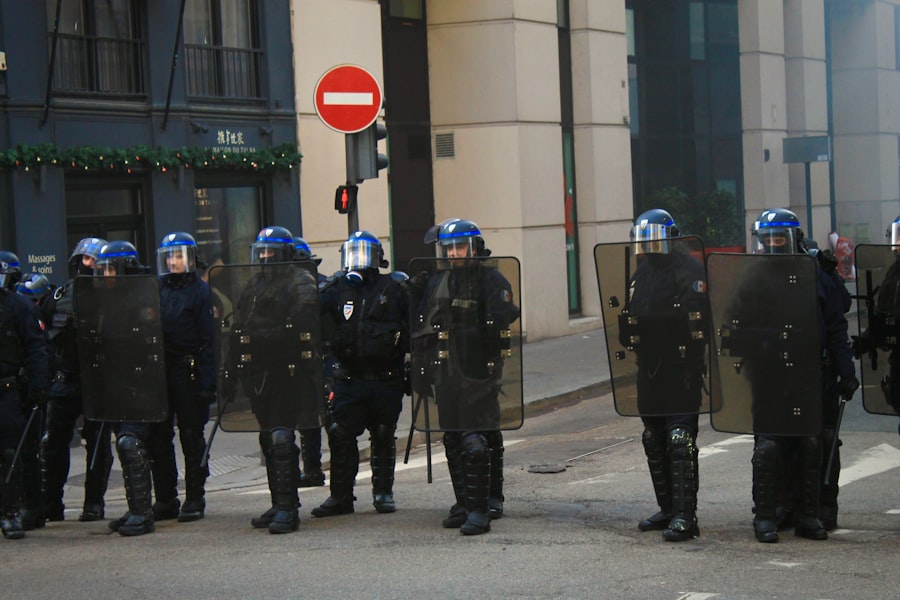
The wise warrior embodies discernment and strategy, emphasizing the importance of intelligence in navigating life’s challenges. This aspect encourages individuals to think critically about their actions and decisions rather than relying solely on brute force or impulsive reactions. The wise warrior understands that true strength lies in knowing when to act decisively and when to exercise restraint.
This balance between action and contemplation allows for more effective problem-solving and conflict resolution. Discernment involves recognizing the nuances of situations and understanding the motivations behind people’s actions. The wise warrior approaches challenges with an analytical mindset, weighing potential outcomes before making decisions.
This strategic thinking enables individuals to anticipate obstacles and devise plans that align with their values and goals. By cultivating wisdom within the warrior archetype, individuals can navigate complex social dynamics with grace and effectiveness, ultimately leading to more meaningful interactions and outcomes.
In contemporary society, the role of the warrior archetype has evolved significantly. Traditional notions of masculinity often emphasize stoicism and aggression; however, there is an increasing recognition of the need for balance between strength and sensitivity. Modern warriors are called upon to embody qualities such as emotional intelligence, vulnerability, and compassion alongside their inherent strength.
This shift reflects a broader understanding that true power does not come from domination but rather from collaboration and connection. Balancing strength with sensitivity allows individuals to engage authentically with others while maintaining their integrity. In professional settings, for instance, leaders who embody both assertiveness and empathy are often more effective in fostering teamwork and innovation.
Similarly, in personal relationships, men who embrace their emotional depth can create deeper bonds with partners, friends, and family members. By redefining what it means to be a warrior in today’s world, individuals can contribute to a culture that values holistic expressions of masculinity—one that honors both strength and vulnerability.
Reclaiming the warrior archetype involves integrating both masculine and feminine energies within oneself. This integration allows individuals to access a fuller range of human experience—embracing qualities traditionally associated with masculinity such as strength and assertiveness while also honoring feminine traits like intuition and nurturing. By recognizing that these energies exist within all people regardless of gender, we can foster a more inclusive understanding of what it means to be a warrior.
This reclamation process encourages men to explore their emotional landscapes without fear or shame. It invites them to confront societal expectations that may have stifled their authentic selves while embracing vulnerability as a source of strength rather than weakness. As men reclaim their warrior identity through this integration process, they become empowered agents of change—capable of fostering compassion within themselves and their communities while standing firm against injustice.
Ultimately, this journey toward wholeness enriches not only individual lives but also contributes to a more balanced society where all voices are valued. In conclusion, exploring the various dimensions of the warrior archetype reveals its profound significance in personal development and societal transformation. By understanding both its light and shadow aspects—alongside its heroic qualities—we can cultivate a more integrated sense of self that honors our strengths while embracing our vulnerabilities.
As we navigate modern challenges together as warriors—balancing strength with sensitivity—we pave the way for deeper connections rooted in compassion, wisdom, and resilience.
Childhood is a formative period that shapes our identities, beliefs, and behaviors. The experiences we encounter during these early years

Fear is a fundamental human emotion, deeply embedded in our psyche. It serves as a protective mechanism, alerting us to